

É um ritual?
POR NOTÍCIAS AO MINUTO BRASIL / POR SRS
LIFESTYLE PÉS
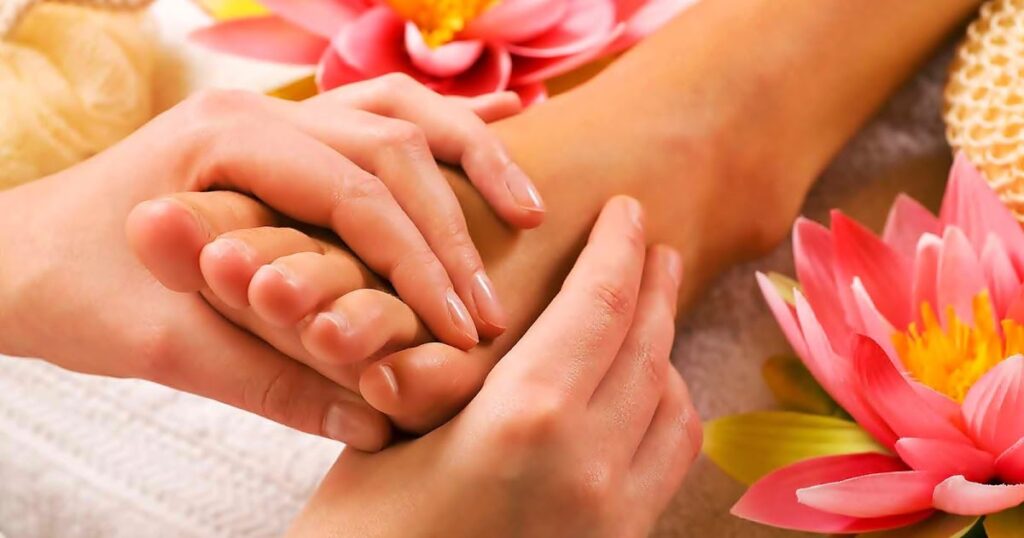
Antes de dormir, quais são seus hábitos? Algumas pessoas assistem a vídeos no telefone, leem alguns capítulos de um livro ou tomam um copo de leite. Em outros casos, há quem dedique um tempo a esfregar os pés antes de adormecer. Se você se identifica com essa prática, é interessante entender o que isso pode significar.
Embora possa ser um sinal de ansiedade, não é a única interpretação possível. A psicoterapeuta Michelle Di Paolo compartilhou com o site Health Digest que esfregar os pés pode ser uma maneira de relaxar. Semelhante ao ato de esfregar as mãos, essa prática “ativa o sistema nervoso, relaxa o sistema cardiovascular e acalma a hormona do estresse”. A psicóloga clínica Lauren Kerwin também explica que pode ser uma forma de focar a mente para induzir o sono.
“Realizar essa ação com regularidade melhora o processamento sensorial do corpo, especialmente ao estar envolto em cobertores em um ambiente escuro.” Além disso, pode indicar uma preferência por movimentos repetitivos.
“Esses movimentos podem estimular a liberação de neurotransmissores, que são analgésicos naturais produzidos pelo corpo”, revela Lauren Kerwin. A especialista em acupuntura, Eileen Li, destaca alguns benefícios adicionais, como o alívio da tensão, melhoria na circulação sanguínea e proporcionar uma sensação geral de conforto e bem-estar.

А вызывать скорую не хочется. Который и осмотрит. Отрезвление нарколог на дом — И выводит человека из этого состояния. И голова начинает соображать. Вызов нарколога на дом Воронеж — работает и ночью. Советую глянуть источник: доктор нарколог на дом https://otrezvlenie.narkolog-na-dom-vrn-edl.ru Там и про вызов нарколога недорого для Воронежа. Иногда промедление стоит жизни.
Los mГЎs destacados casinos sin contar con licencia en EspaГ±a proporcionan opciones de juego fascinantes. EstГЎ fundamental investigar antes de involucrarse para garantizar una experiencia de juego fiable. Mejores Casinos Sin Licencia en EspaГ±a, https://aufices.com/snatch-casino-app-los-mejores-bonos-que-no-puedes-perderte/ pueden llegar a suministrar premios atractivas.
I have been asked to adjust my hair color for a community play and we are trying to choose between a deep cool brown and a warmer copper-brown effect. The choice must read clearly from the seats without becoming distracting in close photographs. Bright stage light makes my current shade look dull, but daylight photographs make the warmer option appear much stronger than it does from the audience. The wardrobe uses aged green, cream, and burgundy, so the hair choice also needs to work beside those fabrics and the planned makeup. I found this skin tone chart as a starting vocabulary for the costume discussion. Should we photograph two temporary swatches from the audience distance if evaluated with costume and makeup under the actual lighting cues? I am not planning a permanent change before this test. I would appreciate a simple sequence for evaluating both options.
A friend has invited me to a small gallery opening, and the invitation gives no useful clues about what to wear. I would like to wear black trousers and a simple cream shirt because both fit well and feel comfortable. The question is how to add some personality without turning the outfit into something I would never normally wear. For comparing different shades, I started looking into color analysis while trying to keep my attention on how the pieces combine rather than reaching a firm conclusion about my season. Would a muted blue scarf make sense with that base, or would you look for texture instead of another color? The venue is within walking distance, which means practical shoes and an evening layer need to work with everything else. Which one detail would make these basics feel suitable for the opening without making the outfit difficult to wear?
My phone keeps making my skin look different in every room, so I am questioning the undertone notes I made from photographs. By a shaded window, my skin seems fairly neutral. Under a ceiling light it looks warmer, while the camera sometimes pushes the whole image toward pink. The background changes too, which seems like a warning sign. I found descriptions of skin tone analysis but I do not know how much faith to put in an automatic phone image. I would avoid direct sunlight on my face. I can disable the portrait effects. I could hold the same white card beside my face and photograph it at roughly the same time on several days. Should I lock exposure and white balance? I could compare images only when the settings match. I would also compare the actual fabric in a mirror, because the photo may be recording the room more than my skin. I would rather ignore differences caused by the camera. For people who have done this carefully, which lighting conditions gave consistent observations, and when did you decide a photo was misleading? I can try the setup more than once to check consistency. A practical checklist would help me separate the camera settings from the colors I am trying to judge.