

É um ritual?
POR NOTÍCIAS AO MINUTO BRASIL / POR SRS
LIFESTYLE PÉS
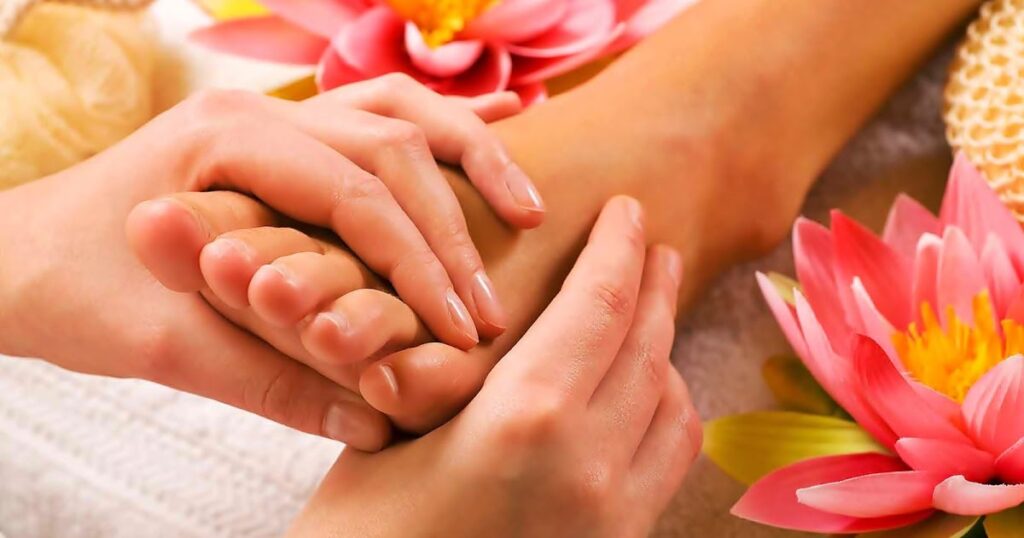
Antes de dormir, quais são seus hábitos? Algumas pessoas assistem a vídeos no telefone, leem alguns capítulos de um livro ou tomam um copo de leite. Em outros casos, há quem dedique um tempo a esfregar os pés antes de adormecer. Se você se identifica com essa prática, é interessante entender o que isso pode significar.
Embora possa ser um sinal de ansiedade, não é a única interpretação possível. A psicoterapeuta Michelle Di Paolo compartilhou com o site Health Digest que esfregar os pés pode ser uma maneira de relaxar. Semelhante ao ato de esfregar as mãos, essa prática “ativa o sistema nervoso, relaxa o sistema cardiovascular e acalma a hormona do estresse”. A psicóloga clínica Lauren Kerwin também explica que pode ser uma forma de focar a mente para induzir o sono.
“Realizar essa ação com regularidade melhora o processamento sensorial do corpo, especialmente ao estar envolto em cobertores em um ambiente escuro.” Além disso, pode indicar uma preferência por movimentos repetitivos.
“Esses movimentos podem estimular a liberação de neurotransmissores, que são analgésicos naturais produzidos pelo corpo”, revela Lauren Kerwin. A especialista em acupuntura, Eileen Li, destaca alguns benefícios adicionais, como o alívio da tensão, melhoria na circulação sanguínea e proporcionar uma sensação geral de conforto e bem-estar.


At our next sketching session, I would like to separate the overall head outline from details such as eyes and lips. An angular jaw stands out in my reference, but I am unsure how much weight it deserves in the complete outline. I have been looking for a reference on square face shape to help frame the discussion. Rather than copy a category name into my notes, I would like to record which visible proportions support that description. Would comparing forehead width, cheekbone width and jaw width give the group a clearer starting point than guessing from memory? Hair covers part of the outline in several references, so I also need a way to mark what remains uncertain. We could use one simple worksheet to keep our observations comparable before moving on to the actual pencil studies. It would help if the exercise allowed mixed features, because a tidy label can distract us from what is actually visible. How would you structure that first comparison so beginners focus on the outline without getting stuck debating the correct label?
สล็อตเว็บตรง
TKBNEKO ทดลองเล่นสล็อต PG Slot และเกมสล็อตออนไลน์ปี 2026
TKBNEKO เป็นเว็บไซต์ที่นำเสนอเนื้อหาเกี่ยวกับเกมสล็อตออนไลน์และการทดลองเล่น ผู้เล่นสามารถศึกษาเกมที่สนใจผ่านอุปกรณ์ที่ใช้งานได้สะดวก โดยควรตรวจสอบรายละเอียดและเงื่อนไขของแต่ละเกมก่อนเริ่มใช้งาน
เกม PG Slot มีธีมให้เลือกหลายแนว เช่น โลกแฟนตาซี การสำรวจ และเกมธีมโชคลาภ บางเกมมีระบบฟรีสปิน ตัวคูณ และโบนัสพิเศษ ซึ่งมีกติกาเฉพาะของแต่ละเกม
ทดลองเล่นสล็อตฟรีช่วยให้เข้าใจวิธีเล่นโดยไม่ใช้เงินจริงในโหมดทดลอง ผู้เล่นสามารถดูรูปแบบการจ่ายรางวัลและทดลองฟีเจอร์ต่างๆ ก่อนตัดสินใจว่าจะเล่นต่อหรือไม่
ก่อนเลือกเกมควรศึกษาอัตราการคืนเงินให้ผู้เล่นหรือ RTP รวมถึงระดับความผันผวนและตารางการจ่ายรางวัล ทั้งนี้ RTP เป็นค่าเฉลี่ยทางสถิติระยะยาว ไม่สามารถใช้ทำนายผลของแต่ละรอบได้
หากต้องการสมัครสมาชิก TKBNEKO ควรตรวจสอบข้อมูลเว็บไซต์ให้รอบคอบ โดยพิจารณาใบอนุญาต นโยบายข้อมูลส่วนบุคคล และเงื่อนไขการเงิน ไม่ควรเชื่อข้อความอ้างว่าแตกง่ายหรือทำกำไรได้แน่นอน
ผู้เล่นควรกำหนดวงเงินและเวลาการเล่นไว้ล่วงหน้า ไม่ควรใช้เงินจำเป็นหรือกู้ยืมมาเดิมพัน
สรุปแล้ว การทดลองเล่นสล็อต TKBNEKO ช่วยให้ผู้สนใจศึกษาระบบเกม PG Slot ได้ก่อน การตรวจสอบเงื่อนไขและเล่นเพื่อความบันเทิงเป็นสิ่งสำคัญ
Our digital literacy workshop will discuss how websites classify face outlines. The exercise should teach people to question a label rather than compete for a particular result. One possible starting point for the reading list is what is my face shape because the wording makes the classification question explicit. I have not evaluated its output. Students could first write down which visible proportions they would expect a method to compare. A second discussion could examine the information missing from one photograph. The activity could use descriptions alone, so sharing a personal photograph would remain unnecessary. Each group could explain which evidence would change its initial interpretation. We could also compare two written descriptions of the same outline and ask whether their labels mean the same thing. This would make the assumptions available for discussion without requiring a supposedly correct personal result. Which discussion prompts would help learners examine assumptions without judging their own looks?
Our drawing class has an exercise on facial outlines, and I need to label my sketches. The distinction between oval and oblong is where I keep hesitating, especially with simplified drawings. My aim is to record the proportions I see, without treating any outline as the ideal. I have oval face shape on my reading list for the terminology. Would you start by locating the broadest part before deciding how to describe the overall outline? A couple of comparison lines would fit, but a dense measurement grid would obscure the drawing. The category should leave room for individual details around the forehead, cheekbones, and jaw. An example of useful annotation would help more than a list of celebrities with similar faces. The assignment asks for a reasoned description, so simply writing a category name will not be enough. What would you write beside an outline that sits between two familiar categories?
Кто-нибудь сталкивался с проблемами из-за нарушения врачебной тайны? Недавно читал про новые требования к регистрации медицинских изделий. разглашение врачебной тайны стандарты медицинской помощи Хотелось бы разобраться в тонкостях медицинской регуляторики.